Present
Document
CON-OPS
Design
Video & Anim
Trade Show
Brand
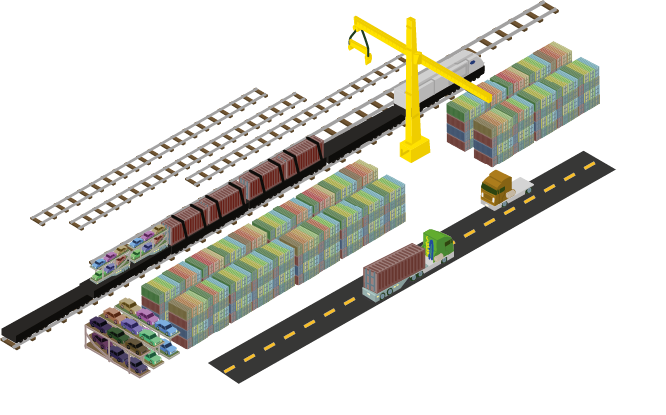
Rethinking how freight moves.
KACI Intermodal is developing an innovative approach to rail drayage and intermodal transportation, with the potential to transform how countries move goods through their supply chains.
The concept brings together rail networks, freight terminals, cargo handling, and distribution infrastructure into an interconnected logistics system. Understanding the relationships between these operations is essential to evaluating how the proposed approach could improve freight movement.
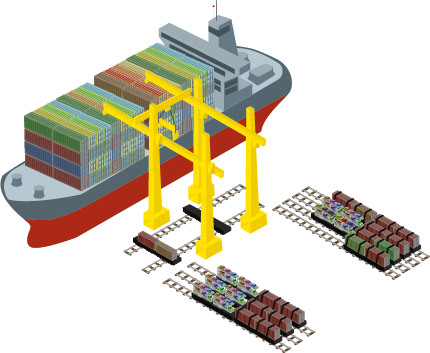
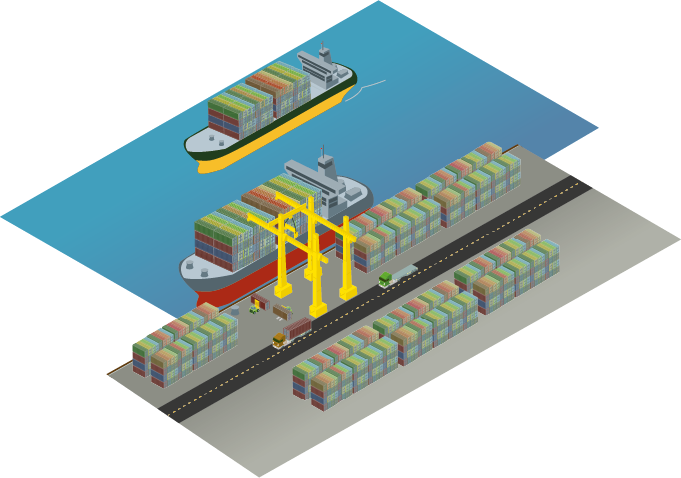
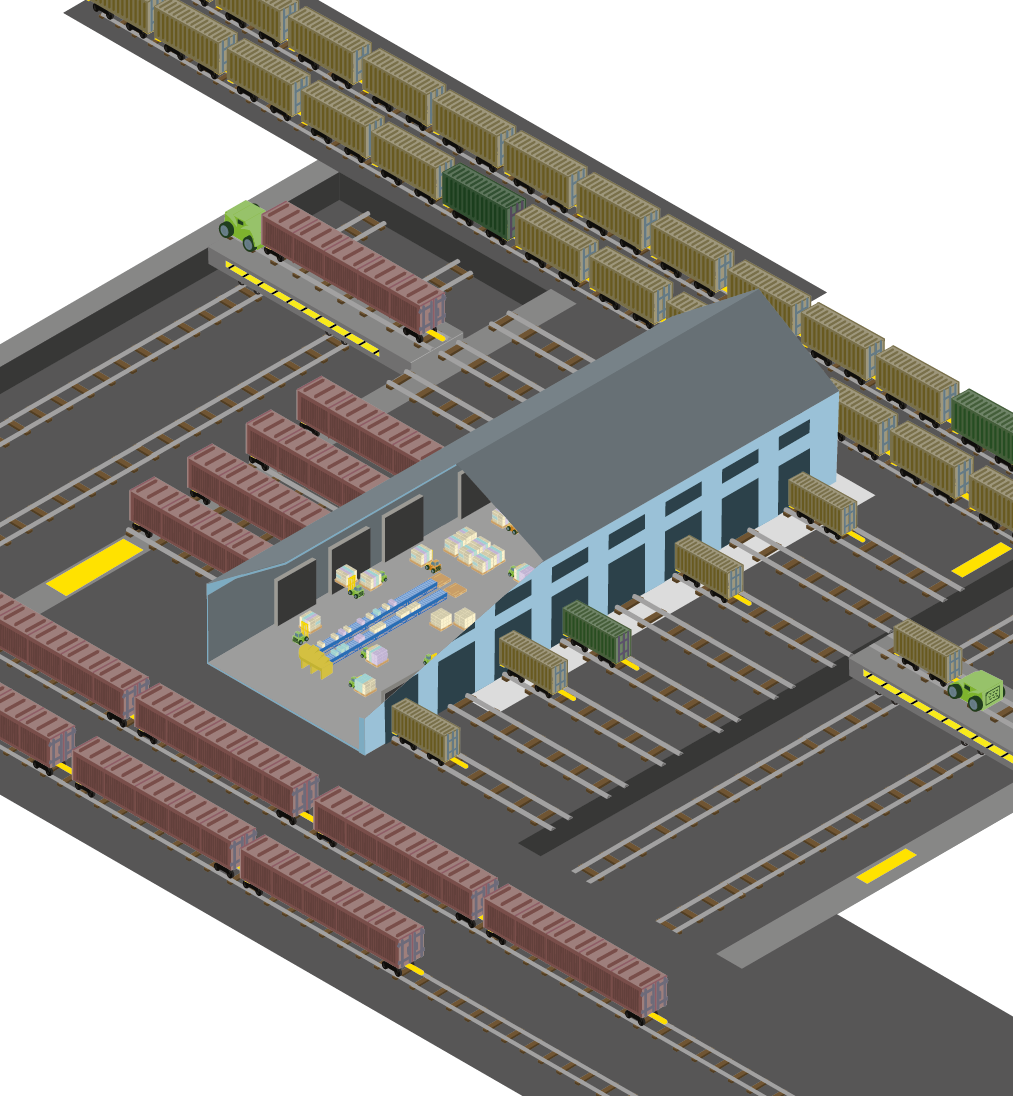
Our concept-of-operations work helps communicate the system as a whole, illustrating how equipment, infrastructure, and operational processes interact. These visual models provide a framework for exploring efficiencies, identifying dependencies, and explaining the concept to potential partners and stakeholders.
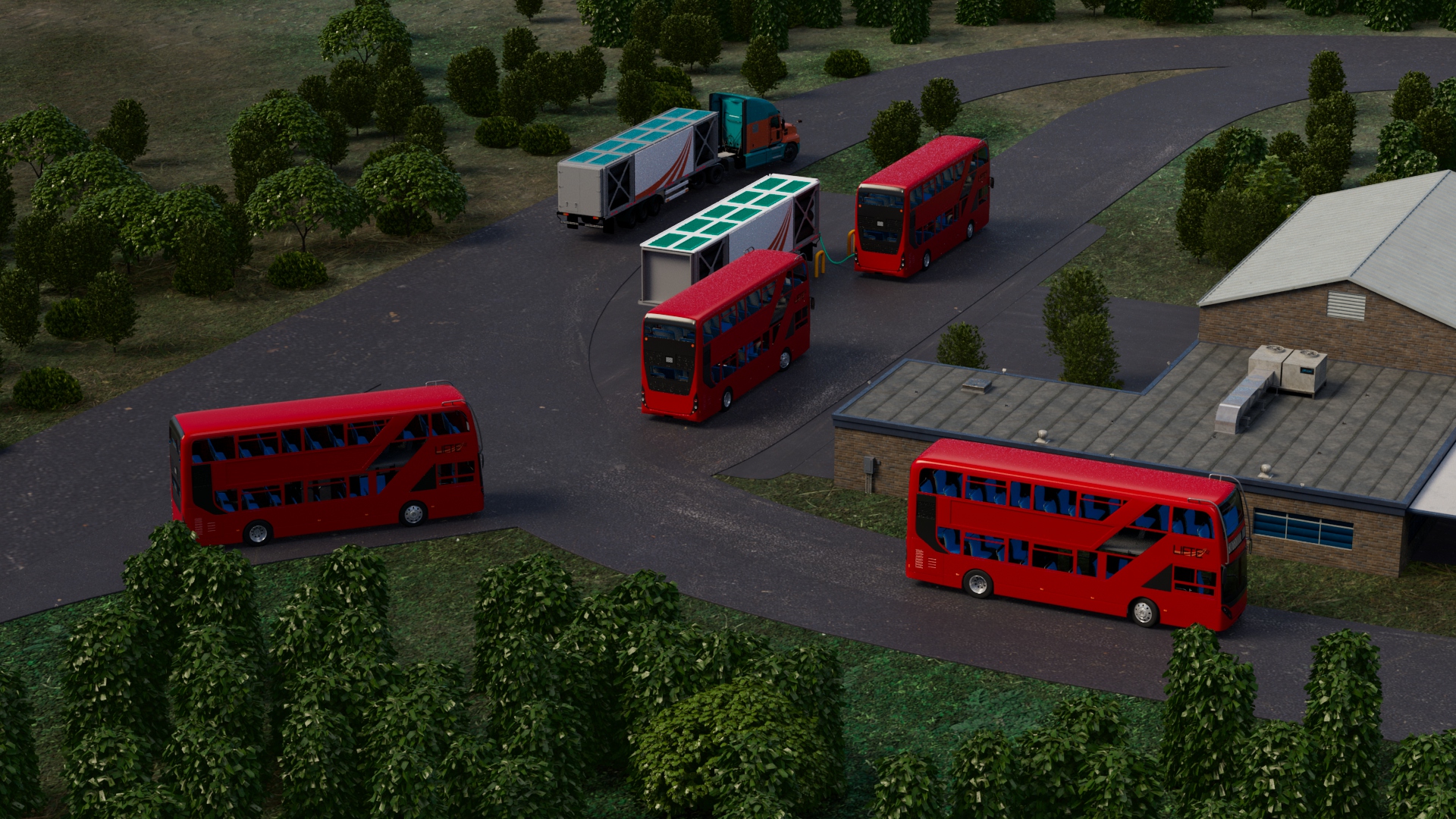
A successful ConOps does more than illustrate equipment or describe a process. It reveals the relationships, dependencies, and interactions that determine how a system performs.

LIFTE Hydrogen
KACI Intermodal
LIFTE develops hydrogen equipment.
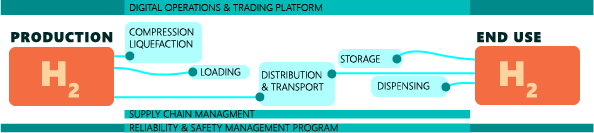
For LIFTE, we applied this approach to hydrogen technology, developing operational diagrams that communicate the relationships between equipment, infrastructure, and processes.

The challenge was making a complex technical system understandable to engineers and business stakeholders alike. By establishing a clear operational framework, the diagrams help communicate not just what the individual components do, but how they function together.
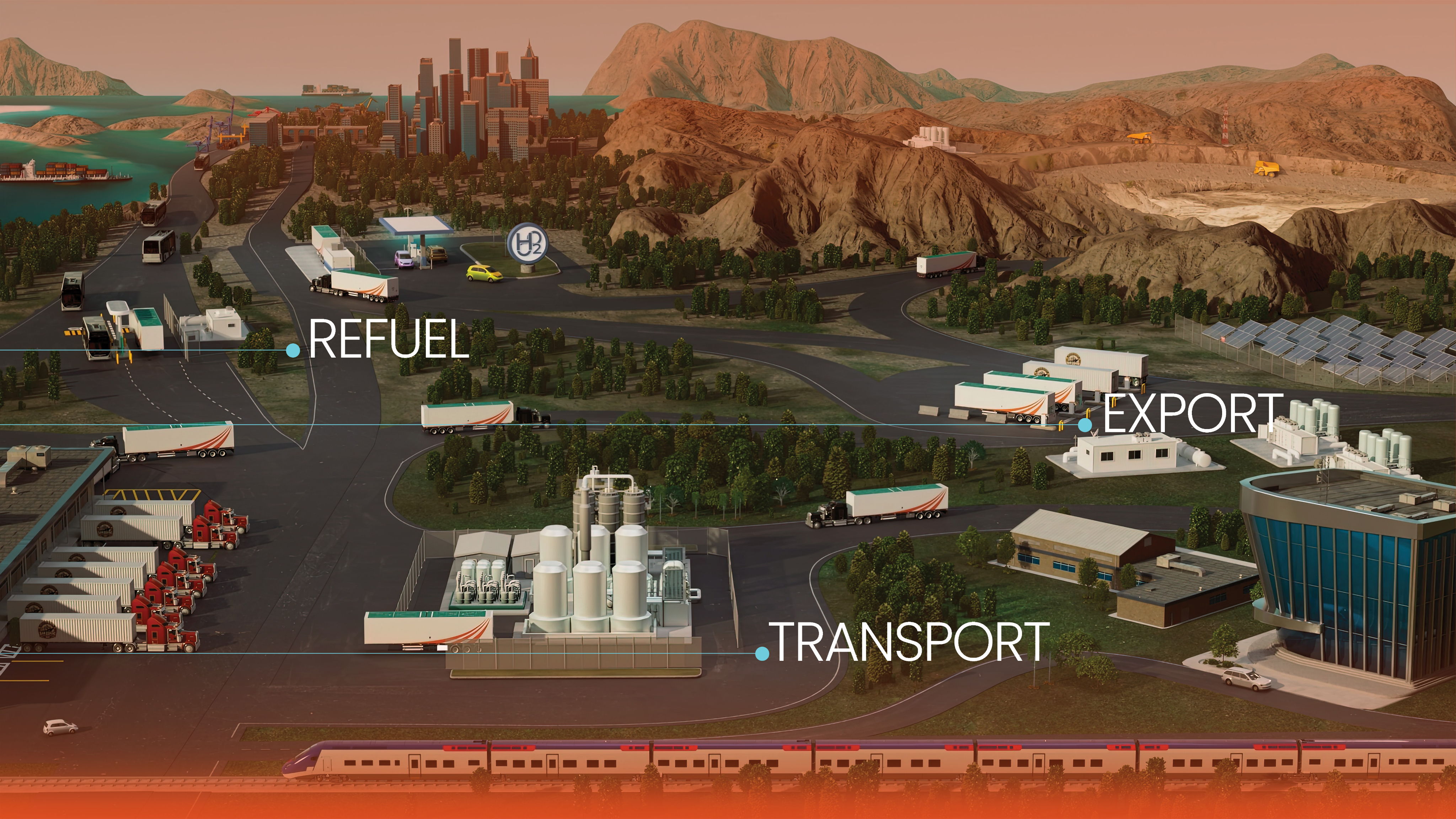
The OV-1 provides the operational structure, while the design system makes that information recognizable and consistent across presentations and communications. Together, they help audiences understand not just what individual components do, but how the entire system functions.
The system of things.
We first encountered the OV-1, or Operational Viewpoint 1, while working with Draper Laboratory. Developed for defense and systems engineering, these concept-of-operations illustrations communicate how an entire system functions, bringing together people, equipment, processes, environments, and the relationships between them.
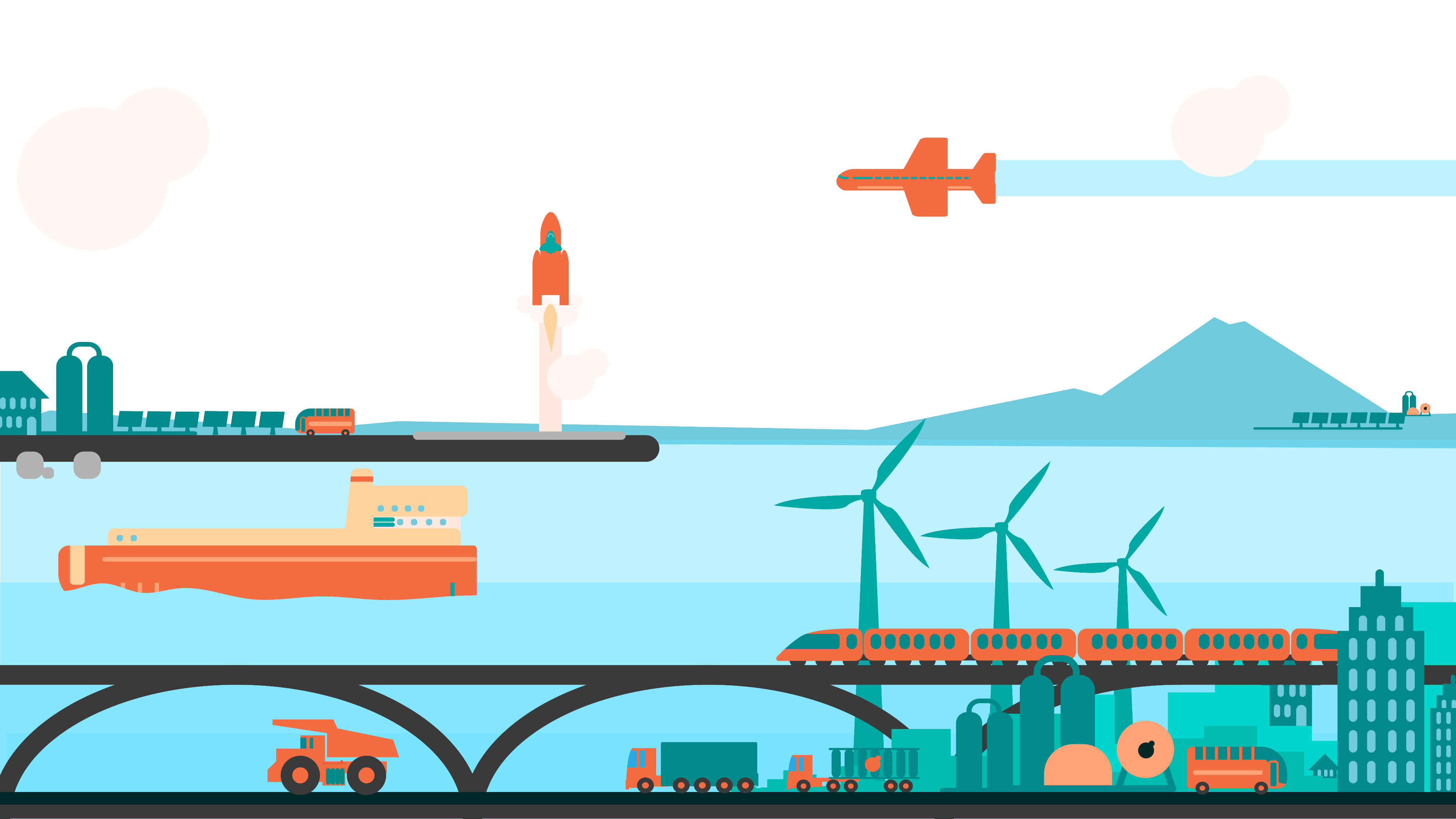
Unlike detailed engineering drawings that focus on individual components, an OV-1 communicates how those components work together. It helps engineers, stakeholders, and decision-makers understand the larger system, identify dependencies, and evaluate proposed operations.
From rough ideas to operational clarity.
We often begin with simple napkin sketches. They're quick to produce, easy to revise, and useful for examining how a system might operate before committing to detailed designs. These early studies help teams identify gaps, challenge assumptions, and build consensus.
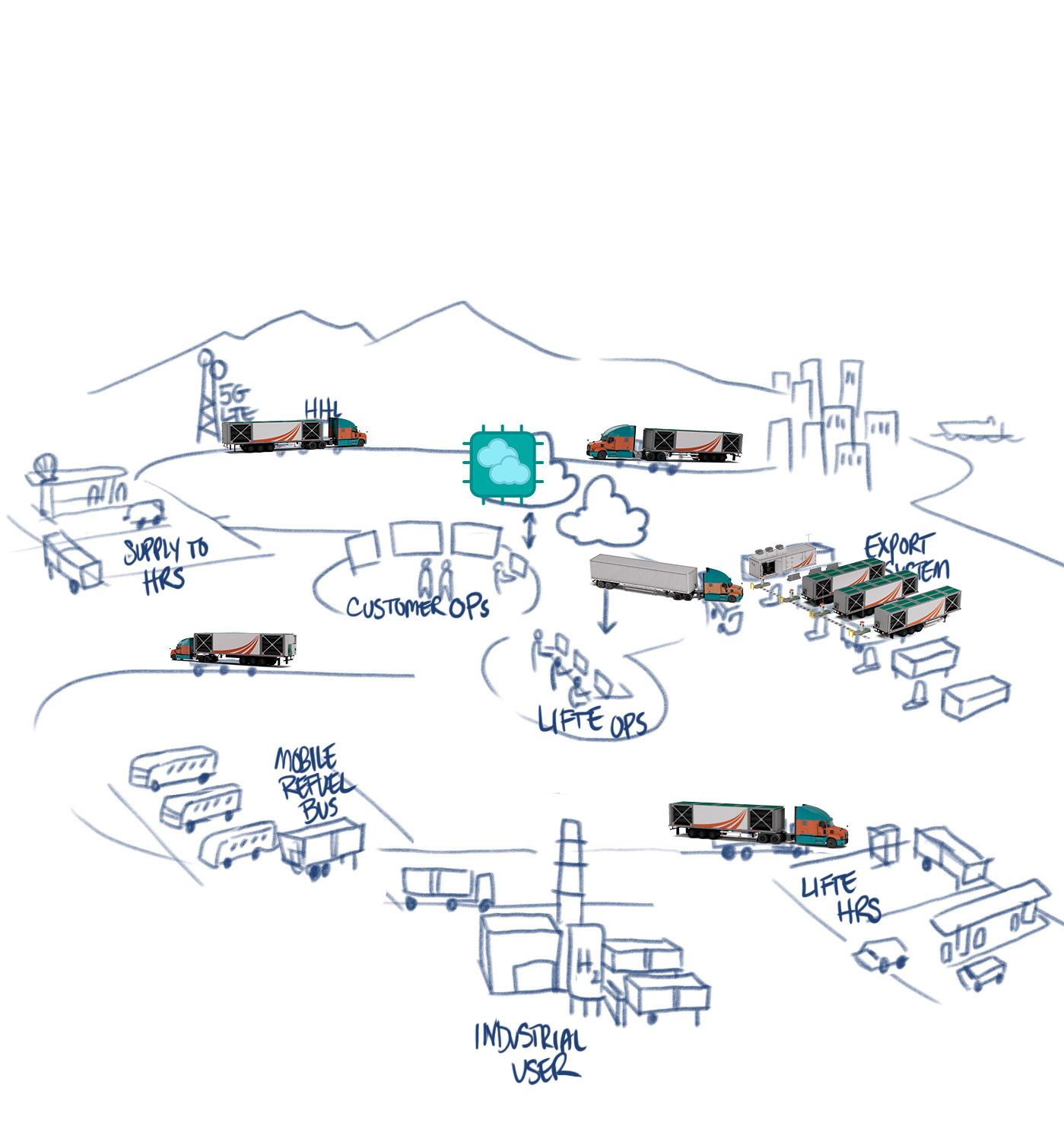
As the concept matures, the sketches evolve into detailed system diagrams, 3D environments, and animated operational sequences. Each stage adds information while preserving a clear understanding of the system as a whole.

Present
Document
CON-OPS
Design
Video & Anim
Trade Show
Brand
Rethinking how freight moves.
KACI Intermodal is developing an innovative approach to rail drayage and intermodal transportation, with the potential to transform how countries move goods through their supply chains.
The concept brings together rail networks, freight terminals, cargo handling, and distribution infrastructure into an interconnected logistics system. Understanding the relationships between these operations is essential to evaluating how the proposed approach could improve freight movement.
Our concept-of-operations work helps communicate the system as a whole, illustrating how equipment, infrastructure, and operational processes interact. These visual models provide a framework for exploring efficiencies, identifying dependencies, and explaining the concept to potential partners and stakeholders.
A successful ConOps does more than illustrate equipment or describe a process. It reveals the relationships, dependencies, and interactions that determine how a system performs.
LIFTE Hydrogen
KACI Intermodal
The challenge was making a complex technical system understandable to engineers and business stakeholders alike. By establishing a clear operational framework, the diagrams help communicate not just what the individual components do, but how they function together.
The OV-1 provides the operational structure, while the design system makes that information recognizable and consistent across presentations and communications. Together, they help audiences understand not just what individual components do, but how the entire system functions.
LIFTE develops hydrogen equipment.
For LIFTE, we applied this approach to hydrogen technology, developing operational diagrams that communicate the relationships between equipment, infrastructure, and processes.
The system of things.
We first encountered the OV-1, or Operational Viewpoint 1, while working with Draper Laboratory. Developed for defense and systems engineering, these concept-of-operations illustrations communicate how an entire system functions, bringing together people, equipment, processes, environments, and the relationships between them.
Unlike detailed engineering drawings that focus on individual components, an OV-1 communicates how those components work together. It helps engineers, stakeholders, and decision-makers understand the larger system, identify dependencies, and evaluate proposed operations.
From rough ideas to operational clarity.
We often begin with simple napkin sketches. They're quick to produce, easy to revise, and useful for examining how a system might operate before committing to detailed designs. These early studies help teams identify gaps, challenge assumptions, and build consensus.
As the concept matures, the sketches evolve into detailed system diagrams, 3D environments, and animated operational sequences. Each stage adds information while preserving a clear understanding of the system as a whole.
Present
Document
CON-OPS
Design
Video & Anim
Trade Show
Brand
Rethinking how freight moves.
KACI Intermodal is developing an innovative approach to rail drayage and intermodal transportation, with the potential to transform how countries move goods through their supply chains.
The concept brings together rail networks, freight terminals, cargo handling, and distribution infrastructure into an interconnected logistics system. Understanding the relationships between these operations is essential to evaluating how the proposed approach could improve freight movement.
Our concept-of-operations work helps communicate the system as a whole, illustrating how equipment, infrastructure, and operational processes interact. These visual models provide a framework for exploring efficiencies, identifying dependencies, and explaining the concept to potential partners and stakeholders.
A successful ConOps does more than illustrate equipment or describe a process. It reveals the relationships, dependencies, and interactions that determine how a system performs.
LIFTE Hydrogen
KACI Intermodal
The challenge was making a complex technical system understandable to engineers and business stakeholders alike. By establishing a clear operational framework, the diagrams help communicate not just what the individual components do, but how they function together.
The OV-1 provides the operational structure, while the design system makes that information recognizable and consistent across presentations and communications. Together, they help audiences understand not just what individual components do, but how the entire system functions.
LIFTE develops hydrogen equipment.
For LIFTE, we applied this approach to hydrogen technology, developing operational diagrams that communicate the relationships between equipment, infrastructure, and processes.
The system of things.
We first encountered the OV-1, or Operational Viewpoint 1, while working with Draper Laboratory. Developed for defense and systems engineering, these concept-of-operations illustrations communicate how an entire system functions, bringing together people, equipment, processes, environments, and the relationships between them.
Unlike detailed engineering drawings that focus on individual components, an OV-1 communicates how those components work together. It helps engineers, stakeholders, and decision-makers understand the larger system, identify dependencies, and evaluate proposed operations.
From rough ideas to operational clarity.
We often begin with simple napkin sketches. They're quick to produce, easy to revise, and useful for examining how a system might operate before committing to detailed designs. These early studies help teams identify gaps, challenge assumptions, and build consensus.
As the concept matures, the sketches evolve into detailed system diagrams, 3D environments, and animated operational sequences. Each stage adds information while preserving a clear understanding of the system as a whole.